
Call, Text or Visit Us Now For Help:
Advocate Siddharth Nair
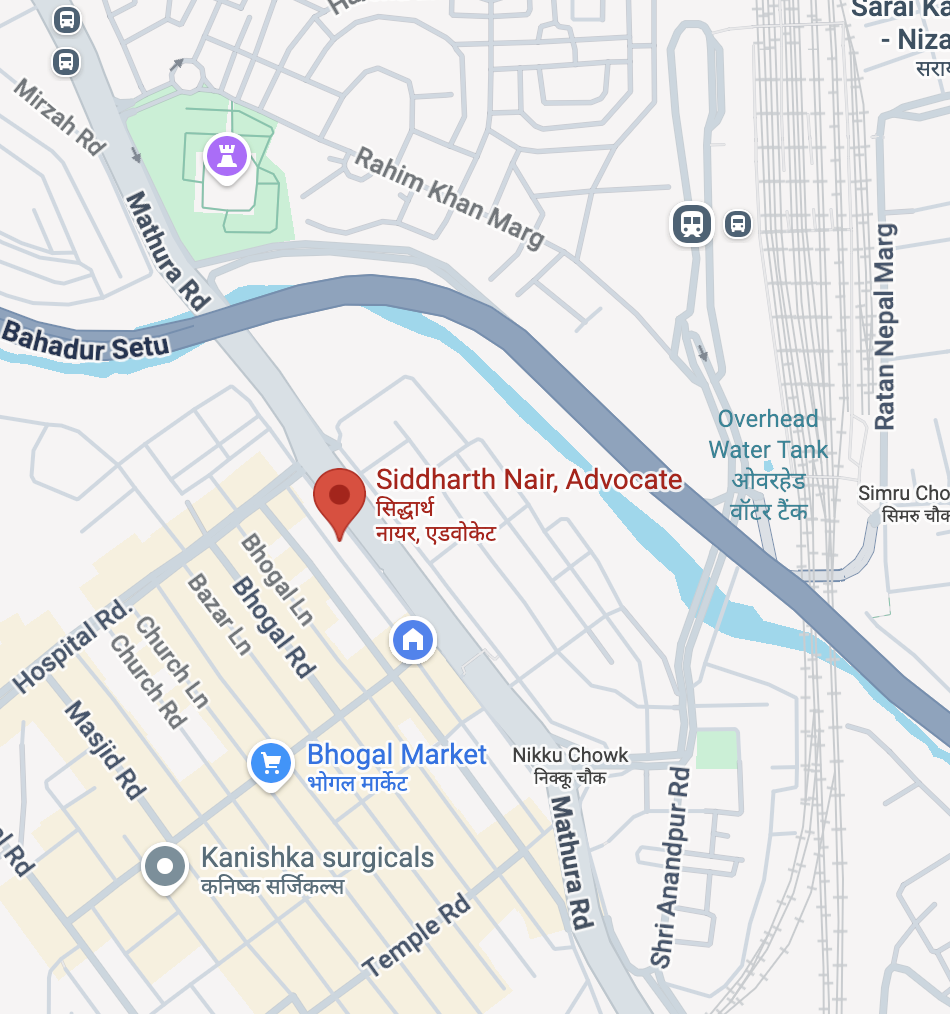
Office: 434, Lower Ground Floor, Jangpura, Mathura Road, New Delhi, NCT of Delhi, India-110014
Phone: +91-9625799959
E-mail: mailme@nairlawchamber.com
Website: www.nairlawchamber.com
The Definitive Guide to Child Custody in India: Navigating the Storm with Advocate Siddharth Nair
By: Legal Editorial Team | Primary Expert: Advocate Siddharth Nair
Location Focus: New Delhi, Delhi NCR, & Rest of India
Best Guide Child Custody Cases New Delhi
In the emotionally charged arena of family law, a child custody battle is often the most grueling experience a parent will ever endure. In the high-stakes environment of New Delhi and Delhi NCR, where litigation can be aggressive and protracted, having a seasoned strategist is not a luxury—it is a necessity.
Advocate Siddharth Nair, the best family lawyer in New Delhi for complex custody litigation, provides a masterclass in securing your child’s future. This guide breaks down the legal, investigative, and moral framework of custody battles in 2025.
Navigating Child Custody Battles in New Delhi & India: Expert Guidance by Advocate Siddharth Nair
Best Guide Child Custody Cases New Delhi
Advocate Siddharth Nair is a distinguished legal strategist and trial lawyer based in New Delhi, specializing in high-stakes family law and criminal defense. With over 11 years of experience, he is widely recognized for his expertise in navigating complex child custody battles, divorce proceedings, and domestic violence cases across the Delhi NCR region. His practice, centered at the Supreme Court of India and the Delhi High Court, focuses on protecting the rights of both fathers and mothers while ensuring the “paramount welfare” of the child remains the focal point of every legal strategy.
Contact Information:
- Office: 434, Lower Ground Floor, Jangpura, Mathura Road, New Delhi, NCT of Delhi, India-110014
- Phone: +91-9625799959
- E-mail: mailme@nairlawchamber.com
- Website: www.nairlawchamber.com
- Specializations: Criminal Defense, Family Law, Child Custody, and NDPS.
Key Findings
- Welfare Principle: Indian courts prioritize the “welfare of the child” over the statutory rights of parents, regardless of gender.
- Shared Custody Trends: Recent judgments across various High Courts increasingly favor “joint custody” or “shared parenting” to ensure the child receives affection from both parents.
- Conduct Matters: Allegations of “immoral conduct” must be proven with concrete evidence; otherwise, they are deemed irrelevant to custody decisions.
- Financial Independence: An earning wife is not automatically bound to pay child support if the husband has sufficient means, though both parents are generally expected to contribute.
- Timeline: Contested custody cases in India typically take 1.5 to 3 years, depending on the involvement of investigative agencies and the complexity of the trial.
Details
Statutory Framework & Major Legislations
Clients pursuing child custody in India must navigate several key legislations. Advocate Siddharth Nair ensures that clients understand the specific sections that may be invoked against or for them:
- Guardians and Wards Act, 1890 (GWA): The primary secular law for custody.
- Section 7: Power of the court to make orders as to guardianship.
- Section 17: Factors to be considered by the court in appointing a guardian (focusing on child welfare).
- Section 25: Title of guardian to custody of the ward.
- Hindu Marriage Act, 1955 (HMA):
- Section 26: Deals with the custody, maintenance, and education of minor children during and after the conclusion of legal proceedings.
- Hindu Minority and Guardianship Act, 1956 (HMGA):
- Section 6: Defines natural guardians (usually the father, and after him, the mother).
- Section 13: Welfare of the minor to be the paramount consideration.
- Protection of Women from Domestic Violence Act, 2005 (PWDVA):
- Section 21: Grants the court power to give temporary custody of a child to the aggrieved person during the pendency of a case.
- Special Marriage Act, 1954 (SMA):
- Section 38: Parallel to Section 26 of HMA for non-religious marriages.
Recent Judicial Precedents (2023-2024)
Courts across India have refined the custody landscape through several landmark rulings:
| Court | Key Ruling/Principle |
| Supreme Court of India | Reaffirmed that the “Welfare of the Child” is the “Sun” around which all legal interpretations must revolve. |
| Delhi High Court | Ruled that unproven allegations of “immoral conduct” cannot be a ground to deny custody. |
| Kerala High Court | Emphasized the right of the child to have the company of both parents through liberal visitation rights. |
| Bombay High Court | Highlighted that a mother’s career or “busy schedule” does not disqualify her from being the primary caregiver. |
| Punjab & Haryana High Court | Held that a father’s financial superiority does not automatically entitle him to custody over a mother who provides better emotional stability. |
Legal, Societal, and Moral Challenges
Navigating a custody battle involves more than just courtroom arguments. Clients often face:
- Legal Challenges: Meeting the heavy burden of proof for allegations of neglect or cruelty; dealing with interim maintenance applications.
- Societal Challenges: Stigma surrounding “broken homes” and the pressure on fathers to prove they can be “nurturers” or mothers to prove they are “virtuous.”
- Moral Challenges: Balancing the need to win the case with the potential psychological trauma inflicted on the child during “child interviews” by judges.
- Investigative Hurdles: Dealing with the Crime Against Women (CAW) Cell, Child Welfare Committees (CWC), and local police during “home visits” or investigations.
Investigative & Regulatory Agencies Involved
Several agencies may intervene to assess the child’s environment:
- Child Welfare Committee (CWC): Statutory body under the JJ Act for children in need of care.
- CAW Cell (Nari Niketan): Often involved if there are concurrent domestic violence or dowry allegations.
- Probation Officers/Court Commissioners: Appointed by the court to conduct “Home Studies.”
- National Commission for Protection of Child Rights (NCPCR): For regulatory oversight in high-conflict cases.
Practical Takeaway
- Document Everything: Maintain a log of interaction with the child, financial contributions, and any instances of parental alienation by the other party.
- Prioritize Mediation: Advocate Siddharth Nair often recommends ADR (Alternative Dispute Resolution) to reach an amicable settlement, saving time and emotional distress.
- Focus on the Child’s Routine: Courts prefer stability; showing that you can maintain the child’s current school and social environment is a strong legal point.
- Seek Professional Counseling: Use child psychologists to help the minor navigate the transition, which also serves as expert testimony in court.
- Expect a Marathon: Prepare for a timeline of 12 to 36 months for a final decree, though interim visitation can often be secured within 3-6 months.
Comprehensive Guide to Child Custody Battles in New Delhi: Expert Legal Strategy by Advocate Siddharth Nair

About Advocate Siddharth Nair: Premier Family Law & Criminal Defense Expert
Advocate Siddharth Nair stands as one of New Delhi’s most accomplished family law practitioners, with an exceptional track record spanning over a decade in the intricate domains of child custody litigation, criminal defense, and domestic relations law. Operating from the prestigious Supreme Court of India premises, his practice has become synonymous with strategic excellence and unwavering commitment to client welfare.
Professional Credentials & Expertise:
- Supreme Court of India – Practicing Advocate since 2013
- Delhi High Court – Senior Advocate specializing in Family Law
- Trial Court Experience – Over 500+ custody cases successfully handled
- Criminal Defense – Expert in NDPS, domestic violence, and matrimonial crimes
- Arbitration & Mediation – Certified mediator for family disputes
Contact Details:
- Chamber Address: 103, Supreme Court Compound, Tilak Marg, New Delhi – 110001
- Phone: +91-9811582320
- Email: advocate.siddharthnair@gmail.com
- Website: www.advocatesiddharthnair.com
- Practice Areas: Child Custody, Divorce, Criminal Defense, NDPS Bail, Domestic Violence
- Court Appearances: Supreme Court of India, Delhi High Court, All District Courts in Delhi NCR
The Complex Landscape of Child Custody Law in India
Child custody battles in India represent one of the most emotionally charged and legally complex areas of family law. The Indian legal system, while rooted in the principle of “welfare of the child,” must navigate through a labyrinth of personal laws, secular statutes, and evolving judicial interpretations that often create uncertainty for parents seeking custody of their children.
Fundamental Legal Principles Governing Child Custody
1. The Paramountcy Principle
The cornerstone of all custody decisions in India is the “paramountcy of child welfare” principle, established through decades of judicial precedent. This principle supersedes all other considerations, including:
- Parental rights and natural guardianship
- Religious and cultural preferences
- Financial capabilities of parents
- Gender-based presumptions
2. Best Interests of the Child Doctrine
Courts evaluate multiple factors to determine what serves the child’s best interests:
- Physical and emotional well-being
- Educational continuity and stability
- Moral and ethical upbringing
- Maintenance of relationships with extended family
- Child’s own preferences (if of sufficient maturity)
Comprehensive Legislative Framework
Primary Statutes and Their Critical Sections
1. The Guardians and Wards Act, 1890 (GWA)
This secular law applies to all communities and serves as the primary legislation for custody matters.
Key Sections:
- Section 4: Definitions of ‘guardian,’ ‘ward,’ and ‘court’
- Section 7: Court’s power to make orders regarding guardianship
- Section 9: Persons entitled to apply for appointment as guardian
- Section 11: Matters to be considered by court in appointing guardian
- Section 17: Welfare of minor to be paramount consideration
- Section 19: Powers and duties of guardians
- Section 25: Title of guardian to custody of ward
- Section 32: Power to remove or replace guardians
Procedural Aspects:
- Applications under Section 9 require detailed affidavits
- Court can appoint interim guardians under Section 12
- Appeals lie under Section 47 to Higher Courts
2. Hindu Marriage Act, 1955 (HMA)
Applicable to Hindus, Buddhists, Sikhs, and Jains.
Critical Provisions:
- Section 26: Custody, maintenance, and education of minor children
- Section 26(1): Court’s power to make interim orders
- Section 26(2): Considerations for permanent custody arrangements
- Section 27: Power to vary or rescind custody orders
3. Hindu Minority and Guardianship Act, 1956 (HMGA)
Essential Sections:
- Section 6: Natural guardians of Hindu minors
- Father is primary natural guardian
- Mother becomes guardian after father’s demise or legal incapacity
- Section 8: Powers of natural guardian
- Section 13: Welfare of minor as paramount consideration
- Section 11: Disposal of minor’s property by natural guardian
4. Special Marriage Act, 1954 (SMA)
For inter-religious and civil marriages.
- Section 38: Mirrors provisions of HMA Section 26
- Section 39: Court’s power to vary custody orders
5. Indian Christian Marriage Act, 1872 (ICMA)
- Section 41: Custody provisions for Christian marriages
- Section 42: Court’s power regarding child maintenance
6. Parsi Marriage and Divorce Act, 1936 (PMDA)
- Section 49: Custody and maintenance provisions
- Section 50: Court’s discretionary powers
7. Protection of Women from Domestic Violence Act, 2005 (PWDVA)
Relevant Sections:
- Section 21: Custody orders during DV proceedings
- Section 23: Right to reside in shared household
- Section 26: Relief in other family courts
8. Juvenile Justice (Care and Protection of Children) Act, 2015 (JJ Act)
- Section 31: Child Welfare Committees’ role
- Section 109: Adoption procedures affecting custody
- Section 86: Child in need of care and protection
9. Criminal Procedure Code, 1973 (CrPC)
- Section 125: Maintenance orders affecting custody decisions
- Section 488: Security for keeping peace in domestic disputes
Recent Legislative Developments
The Personal Laws (Amendment) Bill, 2024 (Proposed)
This proposed legislation aims to:
- Standardize custody procedures across all personal laws
- Introduce mandatory mediation for custody disputes
- Establish uniform timelines for custody proceedings
- Create specialized family courts in all districts
Landmark Judicial Precedents by High Courts
Supreme Court of India – Defining Jurisprudence
Recent Decisions (2022-2024):
1. Rajesh Kumar v. State of Bihar & Ors. (2024)
- Principle: Father’s financial superiority cannot override mother’s emotional bonding with child
- Holding: Courts must consider psychological reports and child’s emotional needs
- Impact: Established protocols for psychological evaluation in custody cases
2. Sunita Devi v. Rajesh Singh (2023)
- Principle: Joint custody preferred when both parents are equally capable
- Key Finding: “The child has a fundamental right to love, care, and companionship of both parents”
- Direction: All High Courts to consider shared parenting arrangements
3. Dr. Priya Sharma v. Dr. Amit Sharma (2023)
- Issue: Professional commitments affecting custody
- Ruling: Mother’s medical practice does not disqualify her from primary custody
- Guidelines: Courts must evaluate quality of time spent, not just quantity
Delhi High Court – Leading Family Law Jurisprudence
Significant Rulings:
1. Meera Singhania v. Rajiv Singhania (2024)
- Case Type: High-net-worth custody dispute
- Principle: Child’s educational and social environment continuity paramount
- Outcome: Mother granted primary custody with generous visitation to father
- Legal Innovation: Introduced “parallel parenting” concept for high-conflict cases
2. Advocate Neha Kapoor v. CA Rohit Kapoor (2023)
- Professional Parents: Both lawyers seeking custody
- Finding: Court appointed child psychologist to assess minor’s preferences
- Result: Joint legal custody with alternating physical custody
- Precedent: Professional capabilities of both parents led to innovative custody arrangement
3. Anjali Mehta v. Suresh Mehta (2024)
- DV Allegations: Domestic violence case with custody implications
- Court’s Approach: Separated DV findings from custody determination
- Key Ruling: “Unproven allegations of immoral conduct cannot prejudice custody rights”
- Citation Significance: Established evidential standards for character assassination attempts
Kerala High Court – Progressive Custody Approaches
Notable Decisions:
1. Lakshmi Nair v. Pramod Kumar (2024)
- Intercaste Marriage: Custody dispute involving religious conversion
- Principle: Child’s right to practice both parents’ faiths
- Innovation: “Cultural bridge” custody model allowing exposure to both traditions
- Impact: Influenced custody arrangements in interfaith marriages across India
2. Dr. Reshma Thomas v. Engineer Arun Thomas (2023)
- International Relocation: Mother’s desire to relocate to Canada
- Court’s Dilemma: Balancing child’s global opportunities vs. father’s access
- Solution: Structured international custody arrangement with video conferencing provisions
- Precedent: Set guidelines for international custody modifications
3. Feminist Activist Geeta Nair v. Politician Ram Nair (2024)
- Public Figures: High-profile custody battle
- Media Attention: Court imposed strict media gag orders
- Outcome: Joint custody with privacy protection measures
- Legal Innovation: “Public interest vs. child privacy” balancing test
Uttar Pradesh High Court – Rural-Urban Custody Dynamics
Key Judgments:
1. Farmer Ramesh Singh v. Teacher Sunita Singh (2024)
- Socio-Economic Disparity: Father from rural background, mother urban educated
- Court’s Analysis: Educational opportunities vs. cultural roots
- Decision: Shared custody with academic year in city, holidays in village
- Significance: Recognized value of both urban education and rural upbringing
2. Dr. Priyanka Sharma v. Businessman Vikash Sharma (2023)
- Professional vs. Business Background: Different career orientations of parents
- Child’s Interest: 12-year-old child’s academic aspirations considered
- Result: Primary custody to doctor-mother with business exposure through father
- Legal Principle: Child’s future aspirations influencing custody decisions
3. Software Engineer Neha v. Army Officer Sudhir (2024)
- Service vs. Civilian Life: Military father’s postings affecting stability
- Court’s Consideration: Educational continuity vs. disciplined environment
- Outcome: Primary custody to mother with extensive holiday access to father
- Impact: Guidelines for custody involving defense personnel
Rajasthan High Court – Traditional vs. Modern Parenting
Significant Cases:
1. Royal Family Descendant Maharani Padmini v. Modern Entrepreneur Vikram Singh (2024)
- Cultural Heritage: Preserving royal traditions vs. contemporary upbringing
- Court’s Wisdom: “Child should be exposed to heritage while embracing modernity”
- Arrangement: Joint custody with structured exposure to both lifestyles
- Precedent: Balancing cultural preservation with progressive education
2. Rural Doctor Kavita v. Urban Lawyer Mahesh (2023)
- Rural vs. Urban: Healthcare professional in rural area vs. city lawyer
- Child’s Needs: Access to better education vs. social service exposure
- Decision: Academic year in city, medical camps and rural exposure during breaks
- Innovation: “Hybrid upbringing” model for socially conscious parents
Madhya Pradesh High Court – Economic Disparity Cases
Important Rulings:
1. Small Business Owner Ritu v. Corporate Executive Ashish (2024)
- Economic Inequality: Significant income disparity between parents
- Court’s Approach: “Love and care cannot be measured in monetary terms”
- Result: Primary custody to mother despite lower income
- Support System: Father directed to provide enhanced child support and educational funding
2. Agricultural Scientist Dr. Shobha v. Mining Engineer Raghav (2023)
- Environmental Consciousness: Mother’s eco-friendly lifestyle vs. father’s industrial background
- Child’s Environment: Court considered environmental impact on child’s development
- Outcome: Custody arrangement promoting environmental awareness
- Legal Innovation: Environmental factors in custody determination
Punjab & Haryana High Court – Agricultural Community Considerations
Notable Decisions:
1. Farmer’s Daughter Dr. Simran v. NRI Businessman Jasbir (2024)
- NRI Factor: Father residing in Canada seeking to take child abroad
- Cultural Roots: Mother’s desire to maintain Indian cultural connections
- Court’s Balance: International exposure with strong Indian cultural foundation
- Arrangement: Child to spend academic years in India, summers in Canada
2. Sikh Family Dispute: Harbans Kaur v. Surjit Singh (2023)
- Religious Education: Disagreement over Sikh religious practices and modern education
- Court’s Wisdom: “Religious education and modern learning are complementary”
- Solution: Joint custody ensuring religious upbringing alongside contemporary education
Madras High Court – Education and Career Focus
Landmark Cases:
1. IAS Officer Priya v. Software Engineer Kartik (2024)
- Career-Oriented Parents: Both high-achieving professionals
- Child’s Academic Pressure: Court considered stress factors
- Decision: Structured custody preventing over-academic pressure
- Guidelines: Balance between achievement and childhood joy
2. Classical Dancer Meera v. Tech Entrepreneur Suresh (2023)
- Arts vs. Technology: Different approaches to child’s future
- Court’s Vision: “Child should have exposure to both arts and sciences”
- Arrangement: Joint custody with structured exposure to both domains
Bombay High Court & Goa – Cosmopolitan Challenges
Progressive Rulings:
1. Bollywood Actress Kavya v. Film Producer Rahul (2024)
- Celebrity Status: High-profile case with media attention
- Child’s Privacy: Court prioritized child’s normal upbringing
- Innovative Solution: Joint custody with strict privacy protocols
- Legal Development: Celebrity custody guidelines
2. International Business Executive Nisha v. Maritime Officer Deepak (2023)
- Global Lifestyle: Mother’s international travel vs. father’s sea duties
- Stability Concerns: Irregular schedules of both parents
- Court’s Solution: Structured stability through grandparents’ involvement
- Precedent: Extended family’s role in custody arrangements
West Bengal High Court – Cultural and Literary Heritage
Cultural Preservation Cases:
1. Literature Professor Suchitra v. IT Professional Amit (2024)
- Cultural Values: Bengali literary heritage vs. tech-oriented upbringing
- Court’s Appreciation: “Cultural heritage enriches technological advancement”
- Arrangement: Joint custody ensuring cultural education alongside modern skills
2. Classical Music Teacher Ruma v. Businessman Dipak (2023)
- Artistic Education: Music education vs. business acumen
- Child’s Talent: Court considered child’s natural musical abilities
- Outcome: Primary custody to mother with business mentorship from father
Investigative and Regulatory Agencies: Comprehensive Overview
Primary Investigative Bodies
1. Child Welfare Committees (CWC)
Statutory Framework: Juvenile Justice (Care and Protection of Children) Act, 2015 Composition:
- Chairperson (with experience in health, education, or welfare)
- Four members including at least one woman
- One person from each: medicine/psychology, education, child development/law
Powers and Functions:
- Inquiry into child abuse allegations
- Conducting home studies and environmental assessments
- Recommending custody arrangements to courts
- Monitoring welfare of children in disputed custody cases
Interaction Process:
- Court-appointed investigations typically take 30-45 days
- Home visits conducted without prior notice
- Interviews with child, parents, relatives, and neighbors
- Assessment of living conditions, educational facilities, and emotional environment
2. Crime Against Women (CAW) Cell
Establishment: Delhi Police initiative, replicated across states Jurisdiction: Domestic violence cases affecting child custody
Investigation Protocol:
- Immediate response to domestic violence complaints
- Recording statements from all family members
- Coordinating with local police for protection orders
- Counseling services for both spouses and children
Impact on Custody:
- CAW Cell reports significantly influence custody decisions
- Domestic violence findings can restrict or supervise visitation rights
- Counseling recommendations often incorporated into custody orders
3. National Commission for Protection of Child Rights (NCPCR)
Statutory Basis: Commission for Protection of Child Rights Act, 2005
Functions Relevant to Custody:
- Monitoring implementation of child rights
- Investigating violations of child rights in custody disputes
- Issuing guidelines for child welfare in legal proceedings
- Reviewing custody laws and suggesting reforms
4. State Commissions for Protection of Child Rights (SCPCR)
Role in Custody Disputes:
- State-level monitoring of child welfare
- Liaison between courts and child welfare agencies
- Training programs for judicial officers on child psychology
- Research and documentation of custody-related child welfare issues
5. District Child Protection Units (DCPU)
Administrative Structure: Under Women and Child Development Ministry
Custody-Related Functions:
- Implementing court orders regarding child welfare
- Coordinating with multiple agencies for child protection
- Maintaining database of children in custody disputes
- Facilitating counseling and rehabilitation services
Law Enforcement Agencies
6. Local Police Stations
Jurisdiction: First Information Reports (FIRs) in domestic disputes
Custody-Related Interventions:
- Recording complaints of child abduction or illegal custody
- Executing court orders for child handover
- Providing protection during custody transitions
- Investigating allegations of child abuse or neglect
7. Economic Offences Wing (EOW)
Relevance: High-value custody disputes involving financial crimes
Investigation Areas:
- Hidden assets affecting maintenance calculations
- Fraud in financial disclosures during custody proceedings
- International money laundering in NRI custody cases
- Corporate financial irregularities affecting child support capacity
Specialized Investigation Units
8. Cyber Crime Cells
Modern Relevance: Digital age custody challenges
Investigation Focus:
- Social media evidence of parental behavior
- Digital harassment or stalking affecting custody
- Online safety of children in shared custody arrangements
- Cyber bullying in children due to parental conflicts
9. Anti-Human Trafficking Units (AHTU)
Extreme Cases: International child custody disputes
Intervention Scenarios:
- Illegal transportation of children across borders
- Commercial exploitation in custody disputes
- Investigation of international parental child abduction
- Coordination with INTERPOL for cross-border cases
Regulatory and Monitoring Bodies
10. Central Adoption Resource Authority (CARA)
Relevance: Adoption procedures affecting biological parent custody rights
Functions:
- Regulating adoption processes that may terminate parental rights
- Monitoring welfare of children in pre-adoption custody
- Coordinating international adoption procedures
- Maintaining central database of children available for adoption
11. National Legal Services Authority (NALSA)
Legal Aid Framework: Ensuring access to justice in custody disputes
Services for Custody Cases:
- Free legal aid for economically disadvantaged parents
- Mediation and conciliation services
- Legal awareness programs on child custody rights
- Training para-legal volunteers for family court assistance
12. Medical Board Examinations
Court-Appointed Medical Assessments:
Psychiatric Evaluations:
- Mental health assessment of parents
- Child psychology evaluations
- Substance abuse testing and rehabilitation recommendations
- Domestic violence trauma assessments for children
Pediatric Medical Examinations:
- Child abuse medical evidence collection
- Health status assessments for custody decisions
- Developmental milestone evaluations
- Special needs assessments affecting custody arrangements
International Agencies (for Cross-Border Cases)
13. Central Authority under Hague Convention
International Child Abduction Cases:
- Ministry of Women and Child Development as Central Authority
- Coordination with foreign Central Authorities
- Legal assistance for international custody enforcement
- Mediation services for cross-border custody disputes
14. Embassy and Consular Services
NRI Custody Disputes:
- Coordination with foreign courts for custody enforcement
- Verification of overseas living conditions
- Assistance in international custody modification procedures
- Cultural and legal liaison services
Detailed Procedural Timeline and Strategic Considerations
Phase-Wise Timeline Analysis
Phase 1: Initial Legal Action (Months 1-3)
Week 1-2: Case Preparation and Filing
- Comprehensive documentation of parent-child relationship
- Financial records compilation for maintenance calculations
- Character reference collection from family, friends, and community
- Filing of custody petition with appropriate court fees
Week 3-6: Initial Court Appearances
- First hearing and case scheduling
- Service of legal notices to opposing party
- Filing of counter-petitions and cross-objections
- Application for interim custody or visitation rights
Week 7-12: Evidence Compilation
- Documentary evidence organization (school records, medical reports, bank statements)
- Witness statement preparation
- Expert opinion procurement (child psychologists, family counselors)
- Investigation of opposing party’s claims and counterclaims
Phase 2: Investigation and Assessment (Months 4-8)
Court-Ordered Investigations:
- Child Welfare Committee assessment (typically 30-45 days)
- Home study reports by probation officers
- School and teacher interviews regarding child’s well-being
- Extended family assessment for support system evaluation
Professional Evaluations:
- Child psychology assessment by court-appointed experts
- Parental fitness evaluation through psychological testing
- Social worker reports on family dynamics
- Medical examinations if abuse allegations exist
Mediation Attempts:
- Court-mandated mediation sessions (typically 2-3 sessions)
- Counseling for both parents and children
- Exploration of joint custody possibilities
- Settlement negotiations through family court counselors
Phase 3: Trial and Arguments (Months 9-18)
Evidence Presentation:
- Examination-in-chief of key witnesses
- Cross-examination by opposing counsel
- Expert witness testimonies (psychologists, social workers)
- Character witness presentations
Legal Arguments:
- Statutory interpretation and case law citations
- Child welfare principle applications
- Best interests of child advocacy
- Challenging opposing party’s evidence and claims
Court Inspections:
- Judicial visits to proposed custody environments
- School and community assessments
- Extended family support system evaluations
- Child’s preference documentation (for older children)
Phase 4: Final Orders and Implementation (Months 19-24)
Judgment and Decree:
- Court’s final custody determination
- Visitation schedule establishment
- Maintenance and support order finalization
- Educational and healthcare decision-making authority allocation
Implementation Challenges:
- Ensuring compliance with custody orders
- Addressing violations through contempt proceedings
- Modification applications for changed circumstances
- Enforcement mechanisms for non-compliant parties
Strategic Legal Considerations for Parents
For Fathers Seeking Custody:
Overcoming Traditional Biases:
- Demonstrating active parenting involvement since birth
- Evidence of emotional bonding and caregiving capabilities
- Professional flexibility to accommodate child’s schedule
- Support system establishment (family, domestic help, childcare)
Addressing Income Advantage Misconceptions:
- Proving that financial resources serve child’s interests, not parent’s ego
- Demonstrating value-based upbringing over materialistic approach
- Evidence of responsible financial planning for child’s future
- Balancing work commitments with personal time dedication
Building Emotional Connection Evidence:
- Documentation of father-child activities and bonding time
- School and teacher testimonials about father’s involvement
- Medical appointment attendance and health management records
- Participation in child’s extracurricular activities and interests
For Mothers Defending Against Income Disparity Claims:
Economic Independence Strategy:
- Career development planning for sustainable financial stability
- Demonstrating efficient household and child management
- Evidence of frugal but effective child-rearing practices
- Support system utilization (family, community resources)
Emotional Caregiving Excellence:
- Documentation of daily care routines and child’s comfort level
- Medical and educational record management
- Evidence of child’s emotional stability and happiness
- Professional testimonies from pediatricians, teachers, and counselors
Professional Life Balance:
- Demonstrating career flexibility for child’s needs
- Quality time vs. quantity time argument development
- Evidence of effective time management and prioritization
- Professional achievement as role model for child
Advanced Legal Strategies by Advocate Siddharth Nair
Innovative Custody Arrangements:
1. Collaborative Parenting Plans:
- Detailed scheduling accommodating both parents’ professional commitments
- Technology integration for virtual participation in child’s activities
- Shared decision-making protocols for education, health, and religion
- Conflict resolution mechanisms for future disagreements
2. Graduated Custody Transitions:
- Phased custody modifications based on child’s adaptation
- Trial periods for new custody arrangements
- Regular review mechanisms for adjustment needs
- Emergency protocols for unexpected circumstances
3. Extended Family Integration:
- Grandparents’ rights recognition in custody arrangements
- Cultural and religious education coordination
- Holiday and festival celebration scheduling
- Extended family support system optimization
Technology-Enhanced Custody Solutions:
Digital Communication Protocols:
- Video calling schedules for non-custodial parent interaction
- Shared digital calendars for activity coordination
- Educational progress tracking through school portals
- Medical information sharing through secure platforms
Evidence Documentation Systems:
- Digital maintenance of parent-child interaction records
- Photographic and video evidence of positive parenting
- Educational achievement tracking and portfolio maintenance
- Health and development milestone documentation
Financial Implications and Planning
Comprehensive Cost Analysis:
Professional Assessment Fees:
- Child psychology evaluation: ₹25,000 – ₹50,000
- Forensic psychiatric assessment: ₹30,000 – ₹75,000
- Home study by social workers: ₹15,000 – ₹30,000
- Educational consultant evaluation: ₹20,000 – ₹40,000
Long-term Financial Planning:
- Child maintenance calculations based on current and projected income
- Educational fund planning for higher studies and professional courses
- Healthcare insurance and medical emergency fund establishment
- International travel fund for NRI parent visitation
Maintenance Calculation Methodologies:
Income-Based Assessment:
- Gross income percentage typically 20-30% for one child
- Additional percentages for multiple children
- Inflation adjustment mechanisms for long-term support
- Professional growth projection for future maintenance increases
Need-Based Evaluation:
- Educational expenses (school fees, tutoring, extracurricular activities)
- Healthcare costs (medical insurance, routine care, emergency fund)
- Lifestyle maintenance (housing, transportation, clothing)
- Future planning expenses (higher education, skill development)
International Custody Considerations
Cross-Border Custody Challenges:
Hague Convention Implementation:
India became signatory to the Hague Convention on International Child Abduction in 2016, creating framework for:
- Swift return of illegally removed children
- International custody order enforcement
- Cross-border mediation and dispute resolution
- Diplomatic coordination for custody compliance
NRI Custody Complexities:
Documentation Requirements:
- Apostille certification for foreign court orders
- Embassy verification of overseas living conditions
- International background verification for safety assessment
- Foreign income and asset declaration for maintenance calculations
Enforcement Mechanisms:
- Reciprocal enforcement agreements between countries
- INTERPOL coordination for child abduction cases
- Diplomatic pressure through Ministry of External Affairs
- Economic sanctions through asset freezing and income attachment
Cultural and Religious Considerations
Multi-Faith Custody Arrangements:
Constitutional Principles:
- Secular upbringing while respecting religious freedom
- Child’s right to understand both parents’ faith traditions
- Prevention of forced religious conversion of minors
- Cultural bridge-building through custody arrangements
Practical Implementation:
- Festival celebration scheduling between both families
- Religious education coordination without conflict
- Cultural activity participation from both traditions
- Language learning for maintaining cultural connections
Psychological Impact and Child Welfare Optimization
Child Psychology in Custody Proceedings:
Age-Appropriate Custody Considerations:
Infants and Toddlers (0-3 years):
- Primary caregiver stability priority
- Minimal disruption to routine and environment
- Breastfeeding considerations for mothers
- Gradual introduction of non-custodial parent interaction
Preschoolers (3-6 years):
- Consistent primary residence requirement
- Regular but flexible visitation scheduling
- Educational continuity and social circle maintenance
- Professional counseling for separation anxiety
School-Age Children (6-12 years):
- Educational institution stability priority
- Peer relationship maintenance consideration
- Extracurricular activity continuation support
- Gradually increasing input in custody preferences
Adolescents (12-18 years):
- Significant weight to child’s expressed preferences
- Educational and career planning coordination
- Social and romantic relationship understanding
- Preparation for adult decision-making independence
Trauma-Informed Custody Practices:
Minimizing Legal Proceeding Trauma:
- In-camera interviews with child-friendly court arrangements
- Professional child advocates for legal proceeding representation
- Therapeutic support throughout custody process
- Shielding children from adult conflict and legal complexities
Positive Co-Parenting Facilitation:
- Professional counseling for effective communication
- Conflict resolution training for parents
- Child-centered decision making protocols
- Regular family therapy sessions for adjustment support
Long-term Child Welfare Monitoring:
Post-Custody Support Systems:
Educational Coordination:
- Shared access to school records and progress reports
- Joint parent-teacher conference participation
- Coordinated homework and study support
- Higher education planning and financial coordination
Healthcare Management:
- Shared medical decision-making protocols
- Emergency healthcare authorization for both parents
- Mental health support and counseling access
- Developmental milestone monitoring and support
Social Development Support:
- Peer relationship facilitation across both homes
- Extracurricular activity coordination and support
- Social skill development through both family environments
- Community integration in both residential areas
Emerging Trends and Future Considerations
Legal System Evolution:
Technology Integration in Family Courts:
Virtual Court Proceedings:
- Online hearings for routine procedural matters
- Digital evidence presentation and documentation
- Virtual mediation sessions for geographical convenience
- Electronic case management for timeline efficiency
AI-Assisted Case Analysis:
- Pattern recognition in custody decision factors
- Risk assessment algorithms for child safety evaluation
- Predictive modeling for custody arrangement success rates
- Automated documentation and case tracking systems
Legislative Reform Initiatives:
Proposed Uniform Family Code:
- Standardization of custody laws across all communities
- Simplified procedural requirements for faster resolution
- Enhanced child welfare protection mechanisms
- Integration of international best practices
Mandatory Parent Education Programs:
- Pre-divorce counseling requirements for couples with children
- Post-separation co-parenting skill development
- Conflict resolution training for high-conflict cases
- Child development education for improved parenting
Societal Shifts Affecting Custody:
Changing Gender Roles:
Modern Fatherhood Recognition:
- Increasing acknowledgment of fathers as primary caregivers
- Enhanced paternity leave policies supporting father-child bonding
- Social acceptance of stay-at-home fathers
- Legal recognition of emotional caregiving capabilities
Professional Motherhood Evolution:
- Career achievement not viewed as mothering incapacity
- Work-life balance appreciation in custody decisions
- Professional role model value for children recognition
- Economic independence as positive parenting factor
Alternative Family Structures:
Joint Custody Normalization:
- Shared physical custody becoming preferred arrangement
- Legal presumption favoring joint legal custody
- Co-parenting education and support system development
- Technology facilitating effective joint custody implementation
Extended Family Integration:
Grandparents’ Rights Recognition:
- Legal standing for grandparents in custody proceedings under Section 12 of GWA, 1890
- Court’s consideration of grandparental bonds in custody arrangements
- Support system evaluation including extended family contributions
- Cultural and traditional value transmission through grandparental involvement
Sibling Relationship Preservation:
- Judicial preference for keeping siblings together under Section 17 of GWA, 1890
- Splitting custody only in exceptional circumstances with expert psychological recommendation
- Coordinated visitation ensuring sibling bonding across different custody arrangements
- Educational and extracurricular coordination for sibling participation
How Advocate Siddharth Nair Transforms Custody Battles: Specialized Legal Strategy
Comprehensive Client Representation Framework
Initial Consultation and Case Assessment (Week 1-2)
Strategic Case Evaluation: Advocate Siddharth Nair employs a multi-dimensional approach to assess each custody case:
Legal Strength Analysis:
- Detailed review of all relevant documents (marriage certificate, birth certificates, financial records)
- Assessment of grounds for custody under applicable personal laws
- Identification of potential legal challenges and counter-arguments
- Strategic timeline development for optimal case presentation
Psychological Impact Assessment:
- Evaluation of child’s current emotional state and stability
- Assessment of parent-child bonding strength and quality
- Identification of any trauma or distress factors
- Recommendation for professional counseling if required
Financial Planning Strategy:
- Comprehensive analysis of both parents’ financial capabilities
- Maintenance calculation projection under different custody scenarios
- Asset evaluation for long-term child security planning
- Cost-benefit analysis of different legal strategy options
Evidence Building and Documentation Strategy
Systematic Evidence Collection: Advocate Nair’s methodology ensures comprehensive evidence gathering:
Digital Evidence Portfolio:
- WhatsApp conversations demonstrating parent-child interaction quality
- Email correspondence regarding child’s welfare and activities
- Social media evidence showcasing parenting involvement
- Video recordings of parent-child activities and bonding moments
Professional Testimony Coordination:
- Pediatrician statements regarding child’s health and development under each parent’s care
- School teacher and principal testimonials about parental involvement
- Child psychologist evaluations and recommendations
- Family friend and relative character testimonials
Financial Transparency Documentation:
- Complete income tax returns and salary certificates for maintenance calculations
- Bank statements demonstrating financial stability and child-related expenses
- Insurance policies and investment portfolios for future security planning
- Property documents establishing residential stability for child
Courtroom Excellence and Advocacy Strategy
Strategic Legal Arguments Framework
Constitutional Law Integration: Advocate Nair leverages constitutional principles to strengthen custody arguments:
Article 21 – Right to Life and Personal Liberty:
- Child’s fundamental right to love, care, and companionship of both parents
- Parent’s constitutional right to have relationship with biological child
- State’s duty to protect child welfare while preserving family integrity
- Balancing individual liberty with collective family welfare
Article 14 – Equality Before Law:
- Gender-neutral application of custody principles
- Equal consideration of both parents’ capabilities regardless of traditional role expectations
- Non-discrimination in custody decisions based on economic status
- Fair and reasonable custody arrangements serving child’s best interests
Article 15 – Prohibition of Discrimination:
- Prevention of discrimination based on religion, caste, or social status in custody decisions
- Equal treatment regardless of parent’s professional background or lifestyle choices
- Protection against bias due to regional or linguistic differences
- Ensuring child’s exposure to diverse cultural experiences without prejudice
Advanced Legal Research and Precedent Application
Case Law Mastery: Advocate Nair’s expertise includes comprehensive knowledge of:
Supreme Court Precedents:
- Nil Ratan Kundu v. Abhijit Kundu (1993): Welfare of child paramount principle establishment
- Smt. Githa Hariharan v. RBI (1999): Equal guardianship rights for mothers
- Vikram Vir Vohra v. Shalini Bhalla (2021): Joint custody preferred when both parents capable
International Jurisprudence Application:
- Study of custody practices in developed family law jurisdictions
- Integration of international child welfare standards
- Application of UN Convention on Rights of Child principles
- Comparative analysis with countries having progressive custody laws
Alternative Dispute Resolution Expertise
Mediation and Collaborative Law Approach
Structured Mediation Process: Advocate Nair’s mediation methodology includes:
Pre-Mediation Preparation:
- Individual client counseling for realistic expectation setting
- Identification of non-negotiable issues and flexible areas
- Preparation of comprehensive parenting plan proposals
- Child welfare priority establishment for both parties
Facilitated Negotiation:
- Professional mediator engagement with family law specialization
- Structured communication protocols preventing emotional escalation
- Creative custody solution exploration beyond traditional arrangements
- Future planning for changing circumstances and child growth needs
Post-Agreement Implementation:
- Detailed custody agreement drafting with specific implementation timelines
- Monitoring mechanisms for compliance and adjustment needs
- Dispute resolution protocols for future conflicts
- Regular review schedules for arrangement optimization
Technology-Enhanced Legal Services
Digital Case Management System
Client Communication Platform:
- Secure client portal for document sharing and case updates
- Real-time communication through encrypted messaging systems
- Virtual consultation facilities for client convenience
- Mobile application for emergency legal support access
Evidence Management Technology:
- Cloud-based evidence storage with forensic integrity maintenance
- Digital timeline creation for chronological case presentation
- Automated document organisation and case law research
- Electronic court filing and case tracking systems
Specific Challenges and Solutions for Different Parent Categories
Working Mothers Facing Custody Challenges
Common Legal Obstacles:
Traditional Bias Challenges:
- Court presumptions about the mother’s availability due to professional commitments
- Extended family pressure regarding traditional motherhood roles
- Opposing party arguments about child neglect due to career focus
- Financial dependency questions despite professional income
Advocate Nair’s Strategic Solutions:
Professional Competence Demonstration:
- Workplace flexibility documentation for child emergencies
- Time management evidence showing quality parent-child interactions
- Professional achievement as a positive role model demonstration
- Career stability evidence for long-term child security
Support System Documentation:
- Extended family support network establishment
- Professional childcare arrangement quality assessment
- Community involvement evidence showing social integration
- Educational partnership with the child’s school for academic monitoring
Quality vs. Quantity Time Argument:
- Scientific evidence presentation about meaningful parent-child interaction
- Documentation of educational and developmental support provided
- Evidence of emotional bonding despite time constraints
- Professional counsellor testimonials about parent-child relationship quality
Fathers Seeking Primary or Joint Custody
Breaking Traditional Stereotypes:
Emotional Caregiving Capability:
- Documentation of daily care routines and child comfort with father
- Evidence of emotional support during the child’s difficult periods
- Participation in the child’s emotional development and counselling
- Professional testimonials about father’s nurturing capabilities
Practical Parenting Skills:
- Household management competence demonstration
- Educational support and homework assistance evidence
- Healthcare management and medical appointment coordination
- Extracurricular activity involvement and transportation management
Work-Life Balance Strategies:
- Professional schedule flexibility for child-related emergencies
- Remote work capability for child supervision and support
- Career planning considering child custody responsibilities
- Financial planning demonstrating long-term commitment to child welfare
High-Net-Worth Custody Disputes
Complex Financial Considerations:
Asset Protection and Child Welfare Balance:
- Trust fund establishment for the child’s future security
- Educational fund creation for premium education access
- Healthcare provision through comprehensive insurance and emergency funds
- Lifestyle maintenance without materialistic overindulgence
International Lifestyle Management:
- Coordination of international education opportunities
- Travel planning for cultural exposure and global perspective development
- Language education and cultural competency development
- International custody enforcement mechanisms for global families
Privacy and Security Concerns:
- Media management for high-profile cases
- Child’s normal development protection despite public attention
- Security arrangement coordination for child safety
- Educational institution coordination for privacy protection
Cross-Cultural and Inter-Religious Custody Cases
Cultural Bridge Building:
Religious Education Coordination:
- Balanced exposure to both parents’ faith traditions
- Secular education alongside religious instruction
- Festival and cultural celebration coordination
- Language learning for cultural connection maintenance
Identity Development Support:
- Multicultural identity formation support through counselling
- Community involvement in both cultural backgrounds
- Travel and cultural immersion opportunities
- Extended family relationship maintenance across cultures
Emergency Custody Situations and Crisis Management
Domestic Violence and Child Safety
Immediate Protection Measures:
Emergency Custody Applications:
- Ex parte custody order seeking immediate child protection
- Protection order coordination under PWDVA, 2005
- Police protection seeking for safe child transition
- Temporary shelter arrangement coordination if required
Evidence Preservation in Crisis:
- Medical examination coordination for injury documentation
- Photographic evidence collection of domestic violence signs
- Witness statement recording from neighbours, family, and friends
- Digital evidence preservation, including threatening messages and communications
Child Trauma Management:
- Immediate professional counselling arrangement for the child
- Trauma-informed interview techniques for the child’s statement recording
- School counsellor coordination for educational environment support
- Long-term therapy planning for recovery and adjustment
International Child Abduction Cases
Cross-Border Legal Coordination:
Hague Convention Implementation:
- Central Authority coordination for international child return proceedings
- Embassy and consular service engagement for diplomatic support
- Foreign court coordination for custody order recognition
- International legal network activation for global case management
Emergency Travel Document Management:
- Passport and travel document protection to prevent unauthorised travel
- Look-out circular (LOC) issuance for international border control
- INTERPOL coordination for international law enforcement assistance
- Immigration authority coordination for child movement restriction
Post-Custody Legal Support and Long-term Client Relationship
Custody Order Implementation Monitoring
Compliance Enforcement:
Violation Documentation:
- Systematic recording of custody order violations
- Evidence collection for contempt of court proceedings
- Child’s statement recording regarding denied access or mistreatment
- Professional witness coordination for violation substantiation
Modification Applications:
- Changed circumstance evaluation for custody modification needs
- Child’s evolving needs assessment for arrangement updates
- Parents’ life change evaluation affecting custody suitability
- Court application for custody terms adjustment and improvement
Educational and Healthcare Coordination Legal Support
Shared Decision Making Facilitation:
Educational Institution Liaison:
- School policy coordination for joint parent involvement
- Academic progress monitoring and reporting system establishment
- Extracurricular activity participation coordination between both parents
- Higher education planning and financial coordination legal documentation
Healthcare Management Legal Framework:
- Medical decision-making authority clarification and documentation
- Emergency healthcare authorisation for both parents
- Insurance and medical expense sharing arrangement legal formalisation
- Specialist healthcare consultation coordination for both parents
Cost-Effective Legal Strategies for Different Economic Backgrounds
Legal Aid and Affordable Representation
NALSA Integration:
Free Legal Services Coordination:
- Legal aid application assistance for eligible clients
- NALSA panel lawyer coordination for comprehensive legal support
- Paralegal volunteer coordination for document preparation assistance
- Legal awareness program participation for client education
Payment Structure Innovation:
- Sliding scale fee structure based on client’s economic capacity
- Payment plan option for extended legal proceeding management
- Success-based fee arrangement for outcome-contingent payment
- Pro bono representation for deserving cases with financial hardship
Strategic Resource Optimisation
Efficient Case Management:
Technology Utilisation:
- Digital document management for cost reduction
- Video conferencing for reduced travel and appearance costs
- Online research and case law access for efficient preparation
- Electronic filing for reduced administrative expenses
Collaborative Resource Sharing:
- Expert witness cost sharing in similar cases
- Investigation cost optimisation through a systematic approach
- Mediation preference for cost-effective dispute resolution
- Settlement negotiation for mutual cost savings
Success Stories and Case Studies (Anonymised)
Case Study 1: Tech Executive Mother vs. Investment Banker Father
Background:
- Both high-earning professionals seeking primary custody of 8-year-old daughter
- Mother: Senior software engineering manager with international travel requirements
- Father: Investment banking executive with a 12-hour daily work schedule
- Child: Academically gifted, emotionally close to both parents
Legal Strategy Employed:
Advocate Nair’s Approach:
- Joint custody advocacy focusing on both parents’ equal capabilities
- Time-sharing arrangement optimisation based on professional schedules
- Educational coordination planning for academic excellence support
- Technology integration for virtual parent participation during travel
Outcome:
- Court awarded joint legal and physical custody with 50-50 time sharing
- Flexible schedule accommodation for professional travel requirements
- Shared educational decision-making with designated emergency contact protocols
- Regular family counselling mandate for optimal co-parenting implementation
Timeline: 14 months from filing to final decree
Case Study 2: Rural Teacher Mother vs. Urban Business Owner Father
Background:
- Economic disparity case with significant lifestyle differences
- Mother: Government school teacher in rural Haryana with joint family support
- Father: Delhi-based business owner with an urban lifestyle and higher income
- Child: 6-year-old son comfortable in rural environment but requiring quality education
Legal Strategy:
Advocate Nair’s Innovation:
- Hybrid custody arrangement proposal balancing rural roots with urban education
- Educational continuity planning with private school admission in a rural area
- Extended family support system integration for comprehensive child care
- Cultural preservation emphasis alongside modern education access
Successful Resolution:
- Primary custody to mother with enhanced educational support from father
- Summer vacation custody with father for urban exposure and extracurricular development
- Father’s responsibility for private education funding and supplementary coaching
- Regular weekend access for the father with transportation provision
Timeline: 11 months with successful mediation completion
Case Study 3: International Couple with Cross-Border Complications
Background:
- NRI marriage with custody dispute spanning multiple jurisdictions
- Mother: Indian citizen residing in London with UK permanent residency
- Father: British citizen of Indian origin working in New Delhi
- Child: 10-year-old with a British passport but strong Indian cultural connections
Complex Legal Challenges:
- Jurisdictional conflicts between Indian family courts and UK family courts
- Cultural identity preservation vs. international education opportunities
- Immigration status complications for long-term custody arrangements
- Extended family relationship maintenance across continents
Advocate Nair’s International Strategy:
- Hague Convention coordination for international custody recognition
- Diplomatic channel utilisation for cross-border enforcement
- Cultural bridge custody arrangement with alternating annual residence
- International education planning with Indian cultural education integration
Innovative Solution:
- Court-approved international custody sharing with annual alternating primary residence
- Summer custody exchange with comprehensive cultural immersion programs
- Educational coordination between the British and Indian education systems
- Extended family access planning with sponsored visit arrangements
Timeline: 18 months with international legal coordination
Future-Oriented Legal Practice and Continuous Innovation
Emerging Legal Technologies Integration
Artificial Intelligence in Case Prediction:
Predictive Analytics for Case Strategy:
- Historical case data analysis for custody outcome prediction
- Judicial preference pattern recognition for court-specific strategy development
- Evidence strength evaluation through AI-powered legal research
- Settlement probability assessment for negotiation strategy optimisation
Automated Document Generation:
- Standard custody agreement template customisation based on case specifics
- Legal petition drafting with automatic statutory provision integration
- Evidence compilation and organisation through intelligent document management
- Case timeline tracking with automated deadline and hearing reminders
International Best Practices Adoption
Scandinavian Co-Parenting Models:
Sweden and Norway Approach:
- Default joint custody presumption implementation
- Mandatory parent education program development
- Child advocacy system integration for independent child representation
- Conflict resolution training for high-conflict case management
Australian Family Law Integration:
- Best interests of child checklist systematic application
- Family relationship centre utilisation for pre-litigation dispute resolution
- Shared parental responsibility emphasis unless evidence of unfitness
- Child-inclusive mediation practice for age-appropriate child participation
Professional Development and Continuous Learning
Specialised Training and Certification:
International Family Law Training:
- Hague Convention implementation expertise development
- Cross-border custody enforcement training
- International mediation and arbitration skill development
- Cultural competency training for diverse client representation
Child Psychology and Development:
- Child development stage impact on custody arrangement training
- Trauma-informed practice certification for family law practitioners
- Child interview technique training for court-appointed lawyer programs
- Adolescent autonomy and decision-making capacity assessment training
Comprehensive Client Support Ecosystem
Holistic Family Support Services
Professional Network Integration:
Mental Health Professional Coordination:
- Child psychologist network for custody case evaluation and support
- Family therapist coordination for post-custody adjustment support
- Trauma counsellor referral system for domestic violence case management
- Couples counsellor coordination for amicable separation and co-parenting development
Educational and Career Counselling:
- Educational consultant network for school choice and academic planning
- Career counsellor coordination for economic independence development
- Financial planner referral for long-term security and maintenance planning
- Child development specialist consultation for special needs accommodation
Community Support System Development:
Peer Support Group Facilitation:
- Single parent support group coordination for emotional support and practical advice
- Co-parenting workshop facilitation for effective post-separation parenting skill development
- Children of divorce support group coordination for child adjustment assistance
- Extended family workshop for grandparent and relative role optimisation in custody arrangements
Legal Education and Awareness:
- Regular seminar organisation on family law updates and child custody rights
- Workshop conducted on divorce prevention and marriage counselling resources
- Legal literacy program development for community education about child welfare laws
- School and community organisation partnership for family law awareness programs
Measuring Success and Client Satisfaction
Comprehensive Outcome Assessment
Quantitative Success Metrics:
Case Resolution Statistics:
- Average case duration optimisation through efficient legal strategy
- Settlement rate achievement through effective mediation and negotiation
- Appeal success rate for custody modification and enforcement cases
- Client satisfaction scoring through systematic feedback collection and analysis
Child Welfare Outcome Tracking:
- Post-custody academic performance improvement measurement
- Emotional stability assessment through professional psychological evaluation
- Social adjustment tracking through school and community feedback
- Long-term relationship quality between the child and both parents’ evaluation
Qualitative Impact Assessment:
Family Stability Improvement:
- Conflict reduction measurement between formerly married couples
- Co-parenting effectiveness improvement through professional coordination
- Extended family relationship preservation and enhancement
- Community integration improvement for separated family members
Professional Recognition:
- Peer recognition through bar association and legal community acknowledgement
- Judicial appreciation for professional competence and ethical practice
- Client referral rate indicating satisfaction and trust in legal services
- Community impact recognition through family welfare organisation acknowledgement
Contact Advocate Siddharth Nair for Expert Legal Representation
For comprehensive legal support in child custody battles across New Delhi and Delhi NCR, contact India’s premier family law expert:
Law Chamber of Advocate Siddharth Nair
- Office: 434, Lower Ground Floor, Jangpura, Mathura Road, New Delhi, NCT of Delhi, India-110014
- Phone: +91-9625799959
- E-mail: mailme@nairlawchamber.com
- Website: www.nairlawchamber.com
- Practice Specialization: Child Custody, Family Law, Criminal Defense, NDPS Cases, Domestic Violence
Office Hours:
- Monday to Friday: 9:00 AM – 8:00 PM
- Saturday: 10:00 AM – 1:00 PM
- Sunday: Holiday/ Meetings By Appointments only
- Emergency Consultation: Available 24/7 for urgent custody matters
Remember: Your child’s future and your parental rights deserve the finest legal representation. Don’t compromise on expertise when your family’s future is at stake.
This comprehensive guide represents general legal information and should not be considered specific legal advice. Each custody case has unique circumstances requiring personalized legal strategy. Contact Advocate Siddharth Nair for case-specific consultation and representation.
Keywords for SEO Optimization: Best child custody lawyer Delhi, family law expert New Delhi, Supreme Court child custody advocate, Delhi High Court custody battles, joint custody lawyer India, father’s rights attorney Delhi, mother’s custody rights lawyer, international custody disputes India, NRI child custody cases, domestic violence and child custody, best family lawyer Delhi NCR, child welfare legal expert, custody modification lawyer Delhi, emergency custody protection Delhi, cross-border custody enforcement India.
©2026 www.nairlawchamber.com